Most people booking a tent in Gurgaon start with the wrong question. They ask how much does a tent cost — before knowing what size they need, what the venue will allow, or what the weather in their month demands. That’s how events end up with a structure that’s too small, too hot, or that goes up three hours late. This guide covers what actually decides a tent setup: type, size, season, and setup window.
What a tent service in Gurgaon includes
A proper tent house doesn’t just deliver fabric and poles. A complete tent service covers:
- Site assessment — ground condition, access for trucks, power points, and available footprint
- Structure — the tent or hangar itself, anchored and load-checked
- Flooring — levelling and carpeting, essential on lawns and uneven ground
- Side walls and roofing — weather sealing appropriate to the season
- Rigging — safe overhead points for lights, drapes and florals
- Installation and teardown — by a trained crew, not casual labour
If a quote covers only the structure, ask what happens with the other five. That gap is where delays and safety problems come from.
The main tent types, and what each is for
| Tent type | Best suited to | Key advantage |
|---|---|---|
| German hangar | Large weddings, conferences, exhibitions | Clear-span and pillarless — nothing blocks sightlines to the stage |
| Luxury marquee | Premium mid-to-large weddings | Higher-finish fabric and shaping |
| Pagoda tent | Entrances, welcome zones, food counters | Distinctive peaked profile; works as accents |
| Waterproof tent | Monsoon and unsettled weather | Sealed against rain so the function isn’t disrupted |
| Air-conditioned tent | May–June and December–January dates | Climate control for long functions |
| VIP tent | Green rooms, family lounges | Private, premium enclosure |
| Trade show tent | Exhibitions and stalls | Modular, brandable, fast to install |
The most common mistake is choosing a pillared structure for a wedding with a stage. Guests behind a pillar can’t see the mandap — and by then it can’t be moved.
Sizing: how big a tent do you actually need?
As a working rule for Gurgaon and Delhi NCR events:
- Seated dining: roughly 12–15 sq ft per guest
- Standing or cocktail format: roughly 8–10 sq ft per guest
- Theatre-style seating: roughly 6–8 sq ft per guest
Then add space for what isn’t guests: stage, buffet counters, bar, walkways, and entry. These routinely take 25–30% of the total footprint, and it’s the part people forget when they estimate on their own.
A 400-guest seated wedding, for example, needs roughly 6,000 sq ft of guest area plus another 1,500–2,000 sq ft for stage, catering and circulation. Give your tent provider the guest count and the format, not a size — sizing is their job.
Season matters more in Gurgaon than most people expect
- October to February — peak wedding season, ideal weather. Book early; good structures get committed months ahead.
- March to June — heat is the constraint. Air-conditioned tents or heavy shade cover are not a luxury here; they decide whether guests stay.
- July to September — monsoon. Waterproof structures, sealed joints, raised or levelled flooring, and a drainage plan are essential.
Booking a beautiful open canopy for a June afternoon function is a decision people regret by 2pm.
Ask your venue these questions before booking a tent
Venues in Gurgaon vary enormously in what they permit, and this catches couples out repeatedly:
- Are outside tenting vendors allowed?
- What is the setup and dismantle window? Some venues allow only a few hours.
- Are there anchoring, rigging or hanging restrictions?
- What electrical load is available, and is there a backup?
- Is there a noise or timing curfew?
- Can trucks access the setup area directly?
Question 2 matters most. Elaborate tented setups need a day or more. If the venue allows four hours, the setup you’re imagining may not be physically possible — and it’s far better to learn that before you pay the venue deposit.
Tent service for weddings, corporate events and social functions
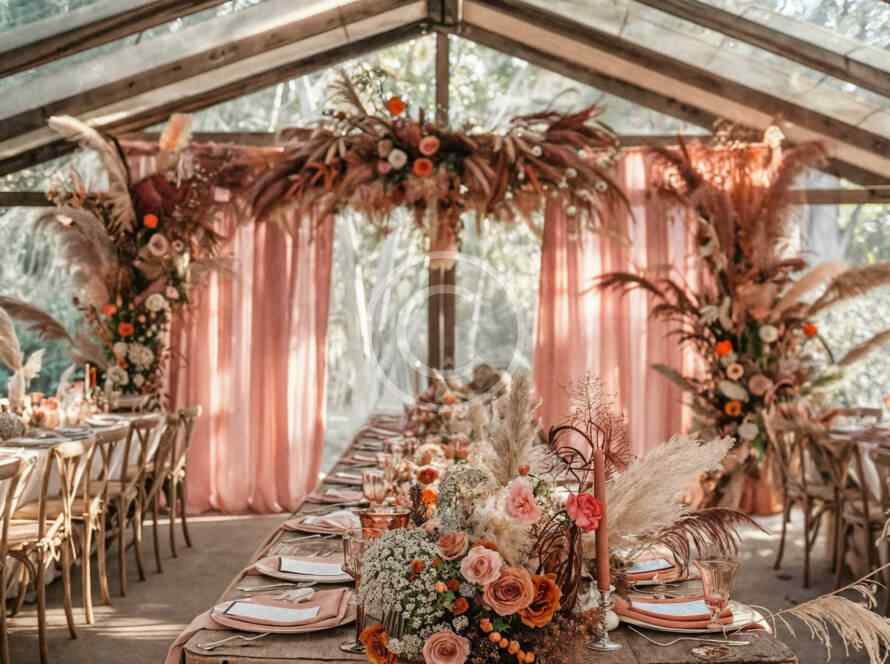
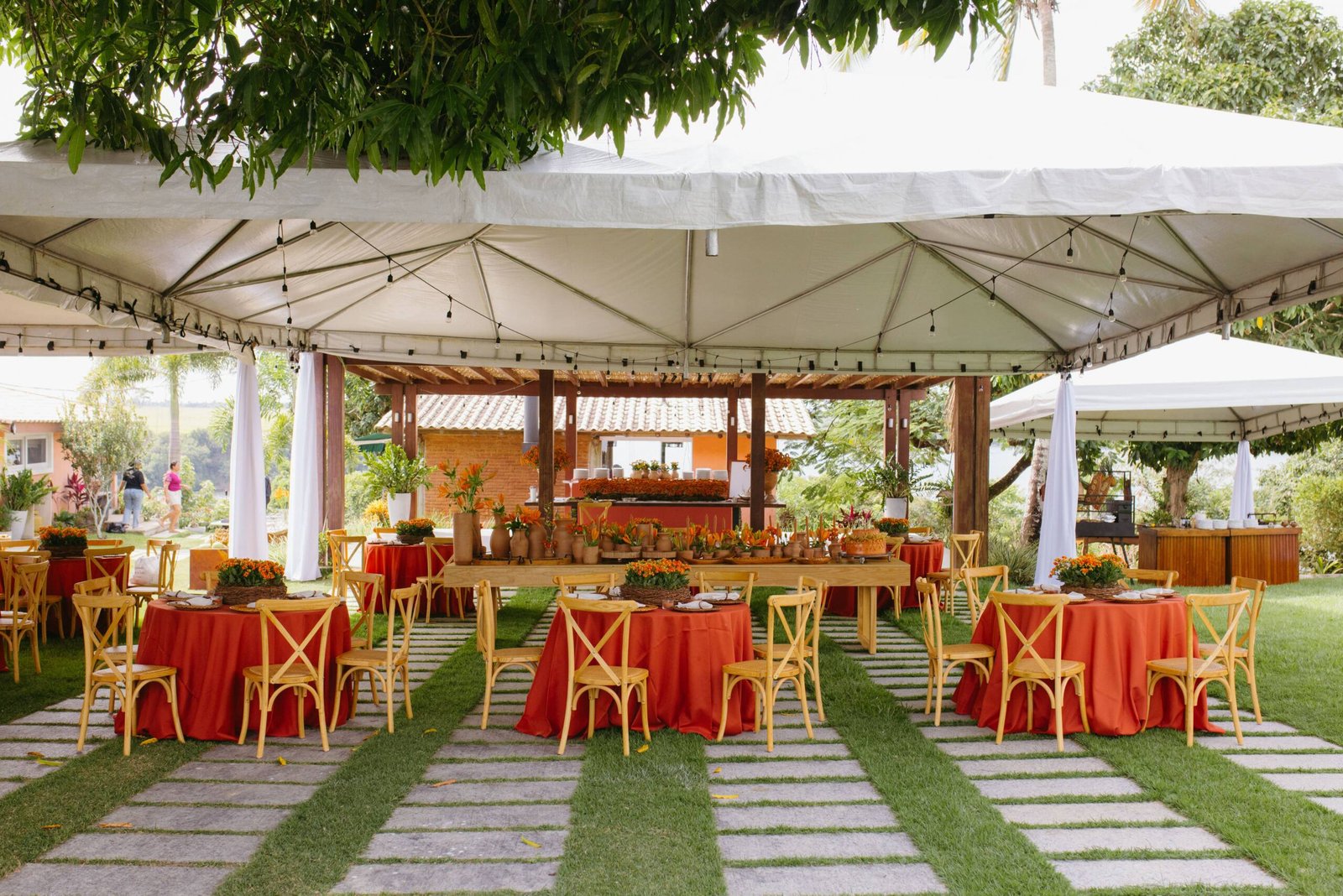
Weddings usually need multiple covered zones — mandap, dining, guest seating, and entry pathway — planned around guest movement rather than as one big box.
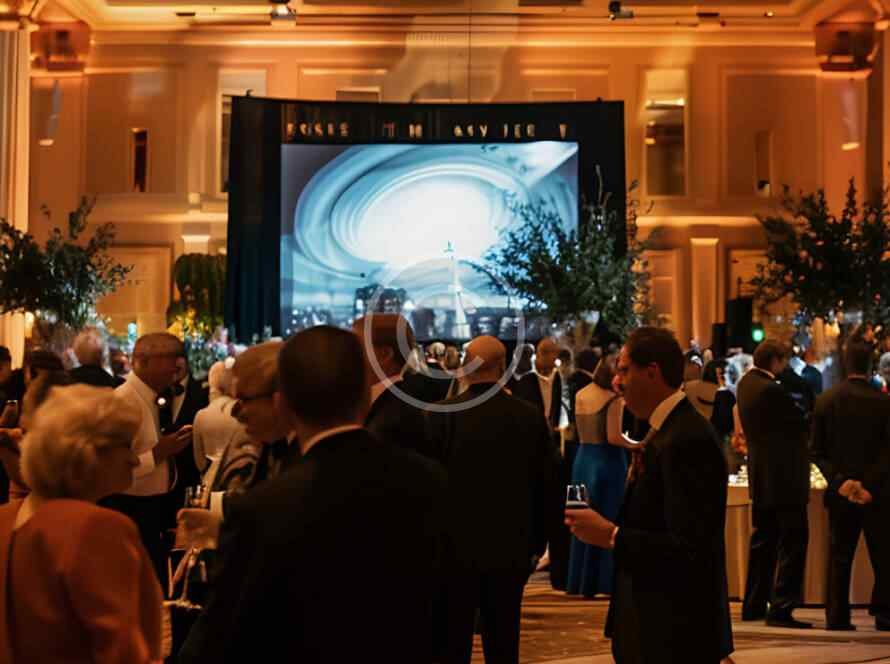
Corporate events need structures that carry weight: truss rigging for LED walls and lighting, branded entrances, and a setup that finishes to a fixed schedule because a launch date doesn’t move.
Social events — birthdays, anniversaries, family gatherings — usually need less structure but the same discipline on flooring, lighting and clean finish.